5 Makeup Tips For People With Trichotillomania
Table Of Content
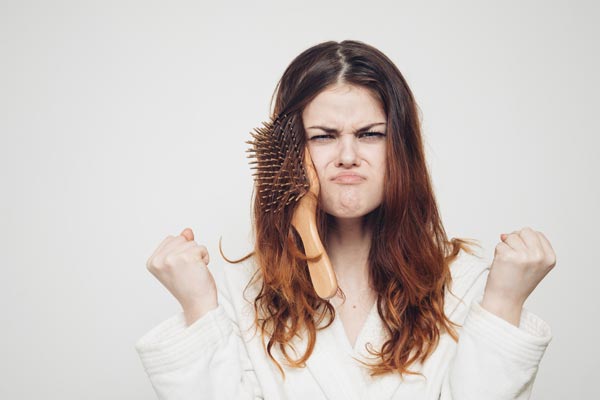
For many young children, hair-pulling is a passing phase and they will grow out of it. A session of hair-pulling may be triggered by stress or feeling restless. However, hair-pulling may also happen when you feel relaxed, such as when you are reading or watching TV. It is common for parents to be more motivated for treatment than the children are. A firm reward system can motivate younger children to participate in therapy.
Emotional states
In a U.S. survey of 10,169 adults, 1.7% of the respondents indicated that they have trichotillomania. Choosing a therapeutic provider to support your BFRB journey is a process that takes time. Patience and persistence are key to finding your own level of success. Hair pulling may occur across a variety of settings and both sedentary and active activities. Hair pulling disorder is currently classified under Obsessive-Compulsive and Related Disorders in the Diagnostic and Statistical Manual of Mental Disorders, Fifth Edition. If you believe someone close to you is struggling with TTM, the subject can be delicate and uncomfortable to talk about.
OCD and Stigma
Undoing the lock takes time, allowing a person a bigger window in which to overcome their urge. In general, the more times a person can resist the compulsion to pull hair, the easier denying the urge becomes. If you or a loved one has a hairpulling habit, consider reaching out to a trusted healthcare professional to discuss your treatment options. Some people don’t seek treatment because they believe medical or mental health professionals don’t know much about the disorder. OCD is a mental health condition that causes overwhelming thoughts that are hard to move on from, called obsessions.

Eyelash Growth Serum
For people who feel a strong urge to pull, actually pulling can bring a sense of relief because they are no longer focused on the urge. If you or someone you know is experiencing these urges, reach out to your family doctor, mental health professional, or a trichotillomania support group. The disorder is usually chronic and lifelong, but its severity may ebb and flow with time. The time it takes for you to feel better from medication, therapy or a combination of the two can be very different from person to person. Your healthcare provider can tell you more about what you can expect as you undergo treatment and what you can do to help yourself through the process.
Pulling your hair or picking at skin can be signs of serious disorders - The Washington Post
Pulling your hair or picking at skin can be signs of serious disorders.
Posted: Sun, 26 Nov 2017 08:00:00 GMT [source]
Automatic pulling might happen when you're studying, reading, or watching TV and not paying attention. Those who have symptoms may feel embarrassed or afraid to talk to their doctor about what they are experiencing. Symptoms may affect a person for just a few months, while it may affect another person off and on for many years. The doctor will also rule out any other causes of hair loss and may send you to a dermatologist (skin doctor). Additional complications include social isolation from hiding to pull out hair and financial effects from being unable to continue with normal daily activities like going to work. Individuals with trichotillomania are more likely than others to have first-degree relatives with the condition, suggesting that the disorder runs in families and has a genetic element.
The possible side effects that can happen with medications depend on the medications themselves, as well as your medical history and circumstances. Your healthcare provider can tell you more about possible side effects, including potential trouble signs and how you should react if you see those signs. They’re the best source of information about this because they can tailor the information they give you to your specific health needs, situation and circumstances.
People with trichotillomania are also likely to have other mental health conditions, such as anxiety and depression. Outside of therapy, individuals may need immediate strategies to stop pulling their hair. One of the most effective things a person can do is to minimize triggers.
Clinical Training and Research
Hair loss (alopecia) is common and can cause significant worry and anxiety. You may have the urge to pull based on how your hair or scalp feels. For others, their BFRBs wax and wane, with periods of no picking, pulling, or biting. For some, they are able to regulate and stop their behaviors completely. To diagnose trichotillomania, a doctor will talk to you about your medical history, as well as symptoms you may be experiencing. They will likely use the criteria in the new edition of the Diagnostic and Statistical Manual of Mental Disorders (DSM-5) to see if your symptoms match up.

About 5%–20% of people with trichotillomania also have trichophagia. In general, trichotillomania often co-occurs with other psychological problems, such as anxiety, OCD, or eating, mood, and personality disorders. Trichotillomania can cause physical damage to skin tissue that may lead to infection, especially if tweezers, scissors, or other sharp objects are used to help facilitate hair pulling. The repetitive motions involved may also, in some cases, trigger joint injury or muscle pain.
People with trichotillomania often try to stop pulling but can't. They also say that pulling has negative effects on their lives, self-esteem, or well-being. Some people with trichotillomania have rituals or routines related to hairpulling, like choosing which hair to pull or smelling, looking at, playing with, or eating hair you pull out. Many people also enjoy the sensory experience of the rituals they develop around hairpulling. This can involve any of the senses, such as the sound of pulling out a hair or rubbing it against your hand, the feeling or taste of hair in your mouth, or other sensations.
Nantidepressants) may help, particularly if the person also has symptoms of depression or anxiety. People with this disorder compulsively pull or pluck out their hair for noncosmetic reasons. They usually pull hair from their scalp, eyebrows, and/or eyelids, but any body hair may be pulled out. Trichotillomania is a difficult condition to treat because each case is unique.
This means repeatedly learning to tolerate the resulting discomfort. Medication is no longer considered an effective treatment for Trichotillomania itself, although may be needed for any co-morbid depression. Shame and other negative feelings prevent many people from seeking treatment specifically for TTM. Because the disorder is not widely known or understood, many who struggle with it are not aware that it's a mental health condition for which they can seek treatment.
Research studies estimate it affects 0.5% to 3.4% of adults at some point in their lifetime. Although far more women than men are treated for trichotillomania, this may be because women are more likely to seek medical advice. In early childhood, trichotillomania occurs just as often in boys and girls. If you are under 18, this may be offered through your local children and young people's mental health services. Trichotillomania, also known as trich or TTM, is when someone cannot resist the urge to pull out their hair. When it comes to taking off your eye makeup, that is just as important as applying it.
The onset of trichotillomania often coincides with the onset of puberty, and symptoms typically first appear between the ages of 10 to 13. However, symptoms may also manifest in infants, younger children, older teens, or adults. The available research, while limited, shows that people with TTM have this condition for an average of about 22 years. People also often describe that the condition has phases, becoming more or less severe for periods of time. Overall, early diagnosis and treatment are the best chance for limiting how long this condition lasts and how severely it impacts your life. A person may sometimes pull their hair out in response to a stressful situation, or it may be done without really thinking about it.
Trichotillomania often results in the complete or partial removal of hair from the body, most commonly from the scalp and face. The symptoms and effects can be severe but are often manageable with treatment. TTM isn’t usually a danger to your physical health (except in rare cases, especially when a person develops a digestive tract blockage from hair they’ve swallowed). However, it can be very disruptive and damaging to your mental health and quality of life. Even though the term trichotillomania does seem to carry a more serious intonation to it, the term hair pulling can still be used as a descriptor of the disorder. That said it is important to note that even when the term hair pulling is used, there is a term that carries a deeper, more accurate sense of the condition with it.


Comments
Post a Comment