Trichotillomania Hair Pulling Mental Health America
Table Of Content

While it may be difficult at first, there are many ways you can learn to cope with this condition and reduce your hair pulling. For instance, maybe you start pulling your hair when you feel bad about yourself or when you interact with certain people. Once you know your triggers, come up with some alternative activities to calm your anxiety that don’t involve hair pulling. Maybe you can doodle on a scrap of paper, listen to music, or call a friend. Then, the next time you notice yourself pulling your hair, switch to one of these activities.
How does this condition affect my body?
Providers also need to differentiate hair-pulling disorder from alopecia areata, a medical condition that causes hair to fall out in small patches. A trichoscopy, medical history, and scalp biopsy can all be used to rule out alopecia as a cause of hair loss. Brain imaging studies have found that people with trichotillomania show increased thickness in areas of the frontal cortex related to the development of habitual behaviors. Differences in this brain area have also been observed in individuals with OCD, suggesting a close relationship between the two conditions.
How common is this condition?
But experts believe that while a tendency to pull out one’s hair may be inherited to some extent, genes are not solely responsible for the development of trichotillomania. The overall outlook for this condition depends partly on the age of the person who has it. Infants and children with TTM often have the best outlook, with the condition commonly going away on its own.
Reducing Stress
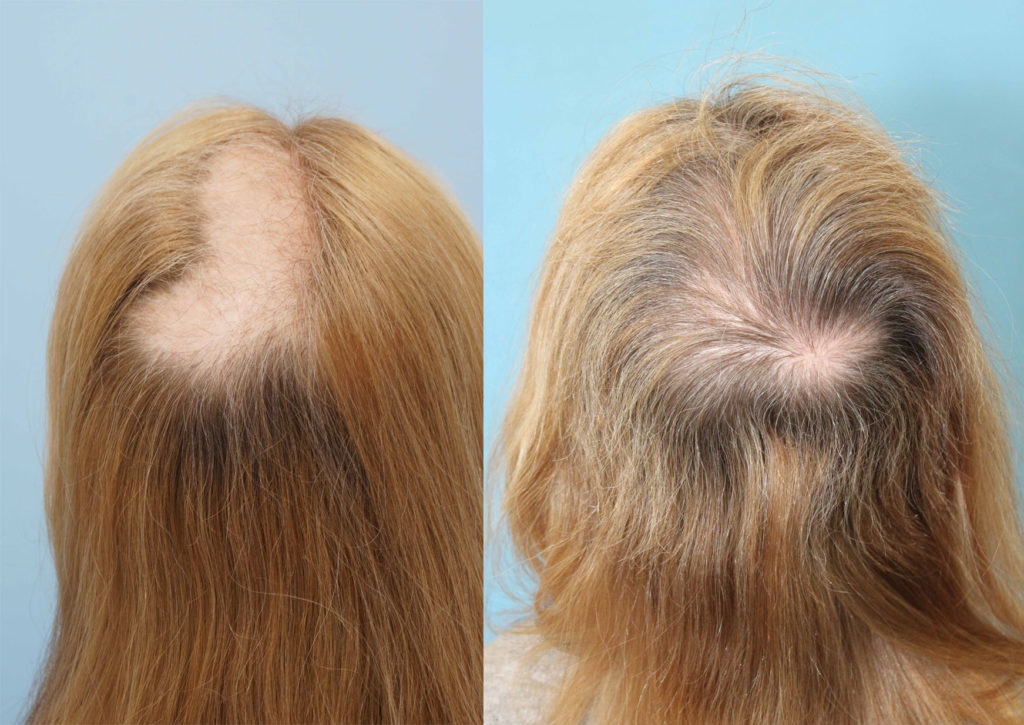
Trichotillomania typically begins between ages 9 to 13, though it can start before or after this period. When treating youth, clinicians emphasize the importance of using positive reinforcement. In general, it is more effective to reward alternative behaviors than to punish the hair pulling itself.
Trichotillomania (TTM) is sometimes related to certain mental health conditions, such as anxiety and depression. While it may also start for other reasons, it is often cyclical. Trichotillomania (often abbreviated as TTM) is a mental health disorder where a person compulsively pulls out or breaks their own hair. This condition falls under the classification of obsessive-compulsive disorder (OCD).
Rachel’s Poem – Gender & Age
Hairpulling sometimes helps people feel in control of unpleasant physical sensations. For example, some people with trichotillomania who pull on their eyelashes say that they feel an eyelash getting in the way when they blink, so they try to remove the one that's bothering them. In the process, they end up pulling out more eyelashes or get in the habit of pulling.
Find more top doctors on
'I pluck the hair from my scalp like a trophy': Living with trichotillomania - The Independent
'I pluck the hair from my scalp like a trophy': Living with trichotillomania.
Posted: Sat, 26 Mar 2022 07:00:00 GMT [source]
Although no one treatment has been found to be effective for everyone, a number of evidence-based treatment options have shown promise for many people. Hair pulling disorder usually begins in late childhood/early puberty, and occurs about equally in boys and girls. Hair pulling varies greatly in its severity, location on the body, and response to treatment. Without treatment, hair pulling disorder tends to be a chronic condition; that may come and go throughout a lifetime. Trichotillomania is classified under the category of "related disorders" in the Diagnostic and Statistical Manual of Mental Disorders, 5th Edition (DSM-5). Currently, no medications are specifically approved for the treatment of trichotillomania.
An individual will practice this competing response any time they have the urge to pull hair. Research indicates that some people may have an inherited predisposition for skin picking or hair pulling. Several studies have shown a higher number of BFRBs in immediate family members of persons with skin picking or hair pulling disorders than would be expected in the general population.
Management and Treatment
While learning how to manage the behavior, it is important to remember that emotional discomfort that influences the behavior is subjective rather than objective. This realization empowers you to choose how you experience these emotions and enables you to alter your behavior. People with hair-pulling disorder feel an intense urge to pull their hair out and experience growing tension until they do. A person with trichotillomania may also pull their hair out because of stress. Sometimes, people with hair-pulling disorder don’t even realize that they’re pulling their hair. Trichotillomania is the irresistible urge to pull hair out from your scalp or other areas of your body.
One reason I love makeup is because of its ability to boost self-confidence. Makeup has helped to “hide” my insecurity which inherently raises my self-esteem. So whilst there are some compulsive and ritualistic similarities between the two there are also important differences. The two methods of treatment that have been scientifically researched and found to be effective are behavioral therapy and medications, which are generally used in combination. Sometimes doctors prescribe medications to help control symptoms.
Other studies have found evidence of decreased amygdala volume in people with trich, which may be related to difficulties in emotion regulation also observed in this population. Trichotillomania and diagnosable anxiety disorders also frequently co-occur. Trich is currently classified in the DSM as an obsessive-compulsive or related disorder, which is itself closely related to anxiety. People with TTM commonly feel anxiety, embarrassment or shame about this condition. Many people with this condition don’t seek treatment because they feel embarrassed or ashamed.


Comments
Post a Comment